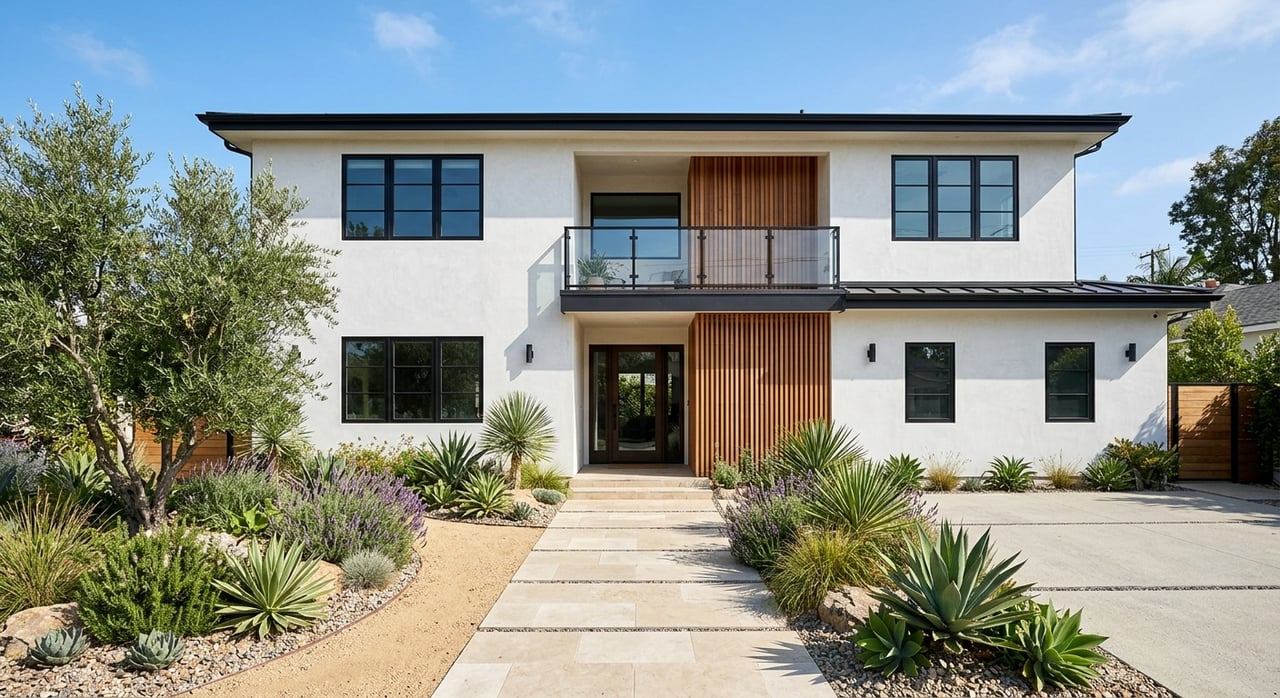
Curious why so many people keep Chula Vista on their shortlist? When you look beyond the map, you find a city that gives you room to spread out, easy access to outdoor recreation, and everyday conveniences that make busy schedules feel more manageable. If you are considering a move, planning a future purchase, or simply comparing San Diego County communities, this guide will show you what residents love most about life in Chula Vista. Let’s dive in.
Chula Vista Offers Room to Live
Chula Vista is the second-largest city in San Diego County, with an estimated population of 278,546 as of 2024. Even with that scale, the city is known for a setting shaped by the bay, canyons, rolling hills, mountains, parks, and trail systems. That mix gives daily life a more open, active feel than many people expect.
For you as a buyer or future resident, that often means more than just scenery. It means you can find neighborhoods and routines that feel practical for workdays while still staying connected to outdoor spaces on weekends and evenings.
Outdoor Living Is Part of Daily Life
One of the biggest reasons residents enjoy Chula Vista is how easy it is to get outside. The city’s Parks & Recreation Department says Chula Vista has 65 parks, 9 community centers, and 2 aquatic facilities, along with camps, sports, enrichment classes, and recreation programs. That variety supports a lifestyle where outdoor time can be part of your normal week, not just a special outing.
If you like walking, biking, or spending time in open space, Chula Vista gives you many ways to do it close to home. The city also reports nearly 100 miles of dedicated bicycle facilities, including more than 8 miles of Class I bikeways along the Bayshore Bikeway and through eastern Chula Vista.
Bayfront Spaces Add a Distinct Lifestyle Perk
The bayfront stands out as one of the city’s strongest lifestyle features. Sweetwater Park opened on April 2, 2025, as part of the Chula Vista Bayfront redevelopment, adding 39 acres of public open space with nature playgrounds, picnic areas, overlooks, and 2.5 miles of pedestrian and bicycle paths.
This area also sits beside Sweetwater Marsh National Wildlife Refuge, which adds to the sense of open space and connection to nature. Nearby, Chula Vista Bayfront Park includes a boat launch, picnic tables, public art, open space, and wide views of San Diego Bay.
Regional Trails Expand Your Options
If you want more than a neighborhood park, Otay Valley Regional Park is a major draw. The city describes it as a multi-jurisdictional park system with playing fields, picnic areas, hiking, biking, and horse trails.
It stretches about 11 miles inland and links south San Diego Bay with Upper and Lower Otay Lakes. For residents, that creates a larger network of places to explore, exercise, and unwind without leaving the city’s broader orbit.
Neighborhood Variety Appeals to Different Buyers
Another reason people love Chula Vista is choice. The city highlights a mix of historic neighborhoods, established residential areas, and master-planned communities such as Eastlake, Otay Ranch, San Miguel Ranch, and Rolling Hills Ranch, along with newer developments like Millenia and Escaya.
That range matters because not every buyer wants the same setting. Some people want a more established neighborhood feel, while others prefer newer layouts, planned amenities, and communities designed around modern growth.
Established Areas Bring a More Classic Feel
According to the city’s housing information, established neighborhoods often feature tree-lined streets, large yards, and a quieter small-town feel. At the same time, many of these areas still offer convenient access to I-5, I-805, and SR-125.
For you, that can mean a balance between residential comfort and regional accessibility. It is one of the reasons Chula Vista attracts buyers who want a suburban setting without feeling disconnected from the rest of San Diego County.
East Chula Vista Attracts Long-Term Interest
Eastlake and Otay Ranch are often part of the conversation when buyers look at eastern Chula Vista. The city notes that Eastlake offers walking and biking around the lake, while Otay Lakes supports quiet picnics and boating. It also states that four golf courses line the community.
For buyers thinking long term, eastern Chula Vista also has a future-growth story. The city says plans are moving forward on the 375-acre University Park and Innovation District, with the goal of bringing more education, jobs, and businesses to the city.
Shopping and Dining Are Easy to Navigate
Chula Vista’s retail and dining options are another strong part of its appeal. Instead of relying on one central district for everything, the city’s shopping and entertainment are spread across several clear hubs. That makes errands, dining out, and casual weekend plans feel simple to organize.
The city points to two major malls and a historic downtown district as key destinations. For residents, this setup creates practical convenience while still giving each area its own feel.
Third Avenue Village Adds Local Character
Third Avenue Village is described by the city as the cultural center of Chula Vista. It features historic buildings, unique shops, restaurants, breweries, coffee shops, and seasonal events.
If you enjoy spending time in a district with a local rhythm, this area often stands out. It offers a different experience from larger shopping centers and helps give Chula Vista a stronger sense of place.
Major Shopping Centers Support Daily Convenience
Chula Vista Center includes major retailers, dining, movie theaters, and more than 100 specialty shops, according to the city. That makes it a familiar option for everyday needs and casual entertainment.
In eastern Chula Vista, Otay Ranch Town Center offers a pedestrian-friendly, open-air setting with more than 90 specialty stores. The city notes amenities such as outdoor cafes, a library, an adjacent dog park, a food pavilion, a fireplace, and a play fountain for children.
Millenia Commons and Millenia Place add another layer of convenience near newer east-side neighborhoods. Their site says the centers offer over 15 restaurants and eateries plus shops and home essentials, just off SR-125 at Birch Road.
Transportation Works for a Suburban Lifestyle
For many residents, Chula Vista hits a practical middle ground between access and space. The Census Bureau estimates the mean travel time to work at 28.6 minutes for workers age 16 and older in the 2020 to 2024 ACS estimate. That supports the city’s reputation as a place where commuting is manageable while daily life still feels more suburban than urban.
This is a city shaped in large part by freeway access, local shopping nodes, and a broad street network. If your routine depends on driving, that setup may feel familiar and efficient.
Transit and Bike Options Add Flexibility
While Chula Vista remains largely car-oriented, there are still transportation alternatives. The city says residents have access to a trolley system, an extensive roadway system, numerous trails and pathways, freeway connections, and a community shuttle in northwest Chula Vista that runs Monday through Friday from 7 a.m. to 7 p.m.
MTS says the UC San Diego Blue Line runs from San Ysidro through South Bay, Chula Vista, and National City to downtown San Diego. The Chula Vista transit network also includes the E Street Transit Center.
For some residents, that means you can mix driving with transit depending on where you work or how often you head north. It adds flexibility without changing the city’s overall suburban character.
Why Residents Stay in Chula Vista
What many residents love most about Chula Vista is the balance. You have bayfront open space, a large parks system, regional trails, distinct neighborhood options, and shopping and dining hubs that are easy to use.
That balance can be especially appealing if you want a city that supports both everyday routines and longer-term plans. Whether you are drawn to established residential streets, newer master-planned communities, or proximity to recreation, Chula Vista gives you a lot to compare in one city.
If you are weighing your next move in San Diego County, local context matters. The right fit often comes down to how you want to live day to day, and that is where neighborhood guidance can make all the difference. To explore Chula Vista and other San Diego County opportunities with a thoughtful, concierge-level approach, connect with Fine Properties San Diego.
FAQs
What do residents enjoy most about living in Chula Vista?
- Residents often appreciate the balance of outdoor recreation, varied neighborhoods, shopping and dining hubs, and practical transportation access.
What outdoor activities are available in Chula Vista?
- Chula Vista offers parks, community centers, aquatic facilities, bike paths, bayfront open space, and regional hiking, biking, and horse trails.
What kinds of neighborhoods can you find in Chula Vista?
- The city includes historic neighborhoods, established residential areas, master-planned communities such as Eastlake and Otay Ranch, and newer developments like Millenia and Escaya.
What shopping and dining areas are popular in Chula Vista?
- Well-known destinations include Third Avenue Village, Chula Vista Center, Otay Ranch Town Center, and Millenia Commons and Millenia Place.
How is commuting from Chula Vista?
- Chula Vista offers freeway access, trolley service, bike facilities, and a mean travel time to work of 28.6 minutes based on the 2020 to 2024 ACS estimate.