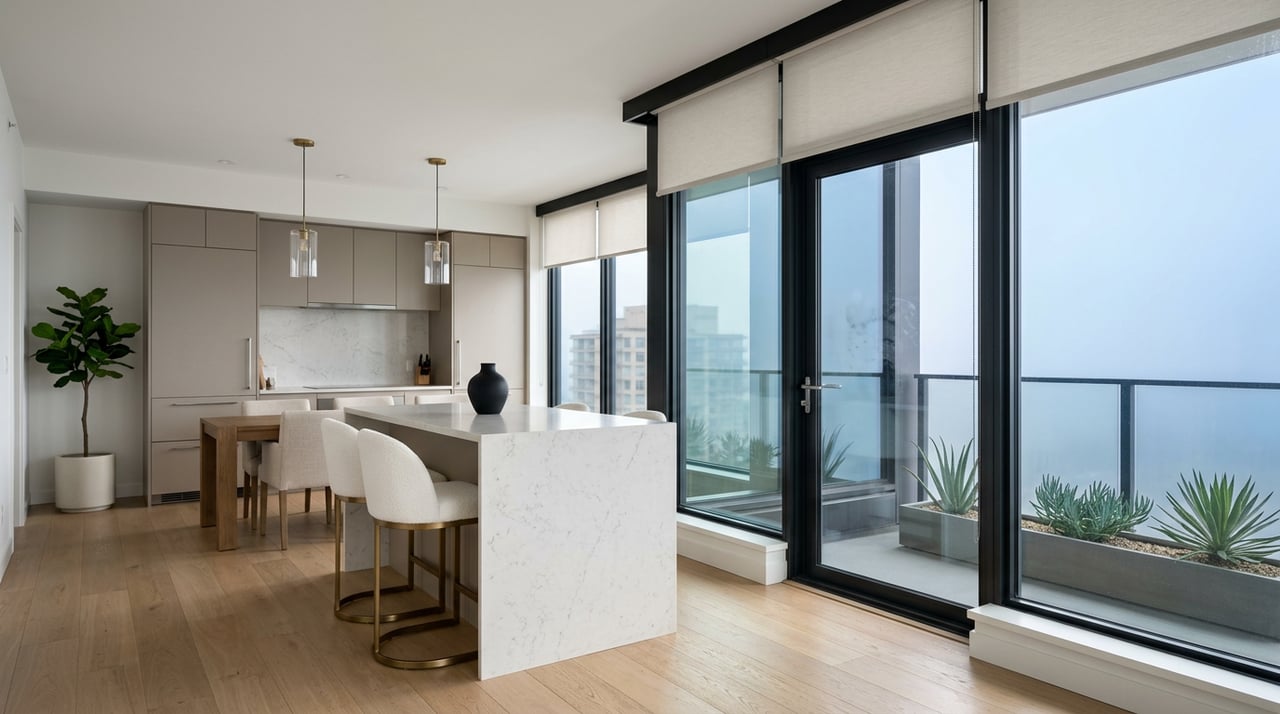
Is your ideal downtown home about sunrise over the bay or the buzz of a skyline at night? In 92101, choosing between a waterfront-facing tower and a cityside condo shapes your daily routine, noise levels, costs, and long-term value. You want a home that fits your lifestyle today and holds up as a smart investment. In this guide, you’ll learn the real tradeoffs that matter in Downtown San Diego, plus the key checks to make before you buy. Let’s dive in.
What “waterfront” and “cityside” mean in 92101
Waterfront-facing towers sit along or near the Embarcadero, Marina District, and Harbor Drive. Many look toward San Diego Bay, Coronado Bridge, and the channel. Cityside or interior buildings sit a block or more inland across neighborhoods like Gaslamp Quarter, East Village, Little Italy, and Cortez Hill. These often face streets, plazas, city parks, or Petco Park.
Both options share one big advantage. The downtown core is very walkable. According to Walk Score’s downtown snapshot, many blocks in 92101 score in the high 80s to 90s, which makes errands and dining easy without a car.
Views, light, and privacy
Waterfront homes typically command the strongest view premium. Sit-down bay and bridge vistas, wider sightlines, and large balconies are common. These views can be a durable lifestyle feature, yet future development can change sightlines for some stacks or floors. Track nearby planning efforts and entitlements, including Seaport-area proposals summarized by the National Working Waterfronts Conference abstracts.
Cityside condos feature skyline, plaza, park, or ballpark views, and some corners still catch partial bay glimpses. You may also feel a touch more privacy away from tourist promenades. Either way, confirm the view you are actually buying by checking orientation, floor height, and any planned projects that could rise in front of your line of sight.
What to look for
- Floor and direction. Ask which way windows and balconies face and verify elevation by floor plan or public record.
- Photo verification. Compare listing photos to in-person sightlines at different times of day.
- Permanence. Ask about nearby projects on file and review public meeting notices related to the waterfront.
Walkability and daily access
Waterfront addresses put you steps from the Embarcadero, Waterfront Park, The Rady Shell, and bayfront trails. Cityside buildings often sit closer to restaurants, grocery options, nightlife, and some transit lines like the trolley and Santa Fe Depot. Downtown is very walkable overall, but micro-locations feel different block to block.
What to look for
- Daily needs. Identify the nearest grocery, pharmacy, and fitness options you will use most.
- Transit. Map your walk to trolley or Coaster stops and test the route at night.
- Routine test walks. Visit during the times you expect to be out, like early mornings or weekend evenings.
Noise and event activity
Waterfront zones can experience harbor sounds from vessels and occasional event or construction activity. The Port highlights mitigation programs through its Maritime Clean Air Strategy, yet maritime and event noise can still be noticeable in some low-floor or frontage-facing units.
Cityside locations near Gaslamp or Petco Park have their own pattern. Nightlife brings late crowds, and game or concert nights can increase amplified sound and traffic. Local coverage has noted event-related sound disputes around Gallagher Square and Petco Park, including periods of concert pause or review, as reported by The San Diego Sun.
What to look for
- Time your visits. Walk the block on weekdays, weekends, and on event nights.
- Soundproofing. Ask about double glazing, wall and floor construction, and balcony door specs.
- Exposure. Check whether the unit directly faces a venue, promenade, or active bar corridor.
HOA fees and amenities
Waterfront towers often carry larger amenity packages like concierge, valet, and resort decks, which can mean higher monthly HOA dues. Cityside buildings vary widely, from lean amenity sets to luxury clubs similar to waterfront addresses. Across San Diego County, HOA dues have also faced upward pressure from insurance and operating costs, a trend covered by Axios.
What to look for
- Exact coverage. Confirm what dues include, such as water, trash, reserves, and building insurance.
- Reserves and assessments. Read the reserve study and recent meeting minutes for upcoming projects.
- Rules and management. Review rental policies, guest rules, and any pending litigation.
Climate, flood, and insurance
Waterfront parcels are low-lying relative to the bay. California’s updated sea-level guidance summarized by the USGS recommends planning across multiple scenarios and timelines, which is useful context for long-term buyers. Review the 2024 update at the USGS publication page.
For any specific address, check FEMA’s official flood maps and zone designations. Flood zoning can influence insurance needs and premiums. Look up the parcel at FEMA’s Flood Map Service Center and request elevation data and any seawall or shoreline reports from the HOA.
What to look for
- FEMA FIRM. Confirm zone type for the property and building.
- Elevation details. Ask for elevation certificates and any shoreline or seawall assessments.
- Insurance quotes. Obtain multiple flood and condo-policy quotes early in your process.
Resale, liquidity, and rentals
Water views often carry a price premium, which can support resale value if the view is protected and water quality is stable. Academic surveys on amenity pricing document positive effects from water access and views, although size and stability of that premium vary by market and setting. For background on how buyers value environmental amenities, see the National Academies’ review chapter.
If rental income matters, Downtown San Diego has clear rules for short-term stays. The city requires Transient Occupancy Tax registration and a Short-Term Residential Occupancy license for rentals under one month. Review the city’s program on the San Diego STRO and TOT page.
Local supply trends also shape rents and vacancy. KPBS has reported that areas with more permitted housing have seen slower rent increases, which can influence investor returns. Read the context in KPBS’s coverage of permits and rent trends.
What to look for
- View permanence. Confirm whether your view is likely to remain over time.
- Building rental rules. Check CC&Rs for lease minimums and short-term prohibitions.
- Permit status. Verify STRO license details if you plan short-term rentals.
Which profile fits you
- Waterfront buyer profile. You prioritize sit-down water views, daily access to the Embarcadero and bayfront parks, and full-service amenities. You accept higher monthly carry and plan to monitor flood and insurance considerations over time.
- Cityside buyer profile. You want easy access to restaurants, grocery, ballpark, and transit, often with more price flexibility. You accept more street energy and fewer unobstructed water views in exchange for central urban convenience.
- Investor profile. You value proximity to employment centers, transit, and stable long-term tenants. You confirm building rental rules first, then compare potential rent and occupancy. Where allowed, a true waterfront view can command premium seasonal rates, while interior locations can offer steadier demand.
Your due-diligence game plan
Use this quick checklist to move from shortlist to confident offer.
- Confirm the view. Check floor, orientation, and sightlines in person. Ask about nearby pipeline projects and review public redevelopment resources, including Seaport-related abstracts and planning summaries.
- Read HOA documents. Review the budget, reserve study, insurance, meeting minutes, rules, and any active or recent litigation.
- Test for noise. Visit at night, on weekends, and on event days for The Rady Shell or Petco Park. Ask about window and wall assemblies. See the Port’s mitigation context in the Maritime Clean Air Strategy.
- Check flood and climate. Pull the parcel’s FEMA map and zone at the FEMA MSC. Review the state’s planning guidance via the USGS summary, and gather formal insurance quotes.
- Verify rent rules. If income matters, confirm building rental limits and review the city’s STRO and TOT requirements for license and tax compliance.
Ready to compare buildings one-to-one
If you are weighing specific towers or stacks, we can help you line up the details that move the needle. Our downtown-focused team reviews HOA health, reserve studies, sound exposure, flood context, and rental rules before you decide. We also coordinate on-site view checks across different floors so you can see what each exposure really delivers.
When you are ready, connect with our local condo specialists for a curated shortlist that fits your lifestyle and your bottom line. Explore what our concierge approach looks like with Fine Properties San Diego. Request a Complimentary Market Valuation.
FAQs
What defines a “waterfront” condo in 92101?
- Waterfront towers sit along or near the Embarcadero, Marina District, and Harbor Drive with outlooks toward the bay or Coronado Bridge.
Are both waterfront and cityside locations walkable in downtown San Diego?
- Yes. 92101 scores as very walkable overall, with many blocks in the high 80s to 90s on Walk Score.
Are HOA fees usually higher on the waterfront?
- Often, yes. Larger amenity sets and building services can raise dues, and regionwide HOA costs face upward pressure from insurance and operations per Axios.
How noisy are Petco Park or The Rady Shell areas?
- Expect higher activity on event nights. Visit at those times, and note that waterfront and ballpark zones can have distinct noise patterns, with context from the Port’s MCAS and local reporting like The San Diego Sun.
How do I check flood risk for a specific downtown building?
- Look up the property at the FEMA Flood Map Service Center, then request elevation and shoreline details from the HOA and review the USGS sea-level guidance summary.
What are the rules for short-term rentals in downtown San Diego?
- Short stays under one month require STRO licensing and Transient Occupancy Tax registration. Review City of San Diego requirements on the STRO and TOT page.