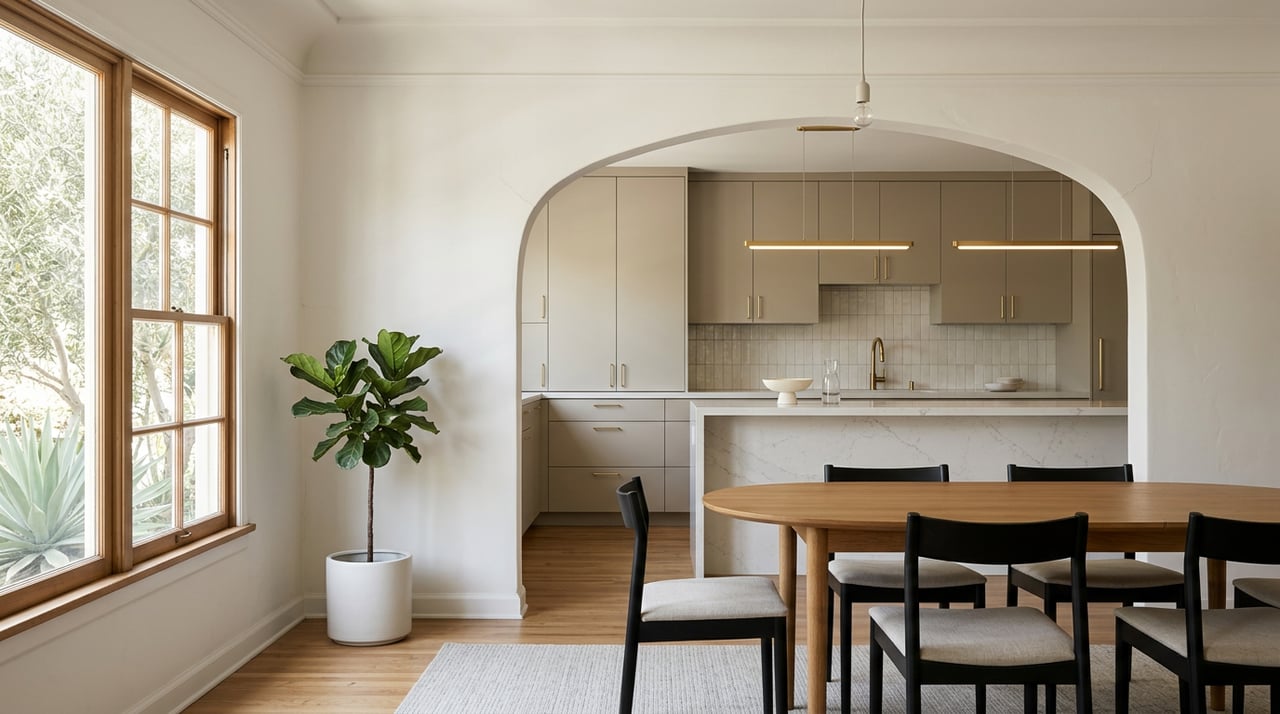
You fell in love with your Mission Hills home for its rich woodwork, tile, and timeless curb appeal. Now you want a kitchen that works for real life and better energy performance without losing that charm. You can have both. This guide walks you through smart design moves, San Diego permits and reviews, cost and timing signals, and incentives that help you renovate while preserving what makes your home special. Let’s dive in.
Preserve Mission Hills character
Mission Hills is known for early 20th-century homes, from Craftsman bungalows to Spanish and Mission Revival. Community leaders have documented historic districts and the features that define them, like porches, rooflines, stucco or shingle patterns, and detailed millwork. You can see examples and district context through local resources like Mission Hills Heritage.
In practice, preserving character means you keep or accurately repair the visible elements that shape first impressions and interior rhythm. Focus on original rooflines, porch forms, window and door proportions, hardwood floors, built-ins, and period tile. Modern systems can be upgraded behind the scenes so they do not distract from what the neighborhood values.
Confirm historic status early
Before you plan design changes, confirm whether your property is a designated resource or a contributor within a historic district. The City’s Historic Resources Board (HRB) keeps staff reports and district files that outline what is considered contributing. Reviewing a sample staff report from Mission Hills gives a sense of how resources are evaluated (City of San Diego HRB staff report example). Local groups also summarize boundaries and history.
If your home is designated or contributing, expect plan review and possible HRB oversight. Many “Simple” or “No‑Plan” permits that work for non-historic homes do not apply. The City’s Development Services FAQ explains permit types, plan review, inspections, and expiration rules (San Diego DSD permits FAQ). If you are considering property tax relief for preservation work, review the City’s Mills Act program timeline and requirements early.
Permits, reviews and timing
Most work that changes structure, electrical, plumbing, or mechanical systems needs permits in San Diego. Historic properties typically require a plan-review pathway and may include HRB conditions. Build this into your schedule.
Energy code timing also matters. California’s 2025 Building Energy Efficiency Standards take effect for permits submitted on or after January 1, 2026. Your permit application date, not the construction start, determines whether the 2022 or 2025 standards apply. Review highlights and coordinate with your design team early to understand triggers (Title 24 update overview).
Health and safety checks
Many Mission Hills homes predate 1978, so lead-safe practices often apply when disturbing paint. The EPA’s Renovation, Repair and Painting Rule requires certified methods for most projects in older homes (EPA RRP overview).
For asbestos, San Diego County APCD Rule 1206 regulates notifications and abatement. Even small residential jobs need a professional survey before you disturb suspect materials. Review the County’s guidance and thresholds (San Diego APCD asbestos program).
Basic seismic retrofits, such as foundation bolting and cripple wall bracing, are common upgrades that can be done with limited interior impact. State or local programs periodically offer small grants. Consult a structural engineer to scope the right solution for your house.
Design strategies that fit
Renovation in a historic district works best when new work is compatible and, where feasible, reversible. The Secretary of the Interior’s Standards offer a useful framework: repair and retain character-defining features, differentiate new from old without creating a false sense of history, and make thoughtful, compatible additions (Secretary’s Standards).
Kitchens that belong
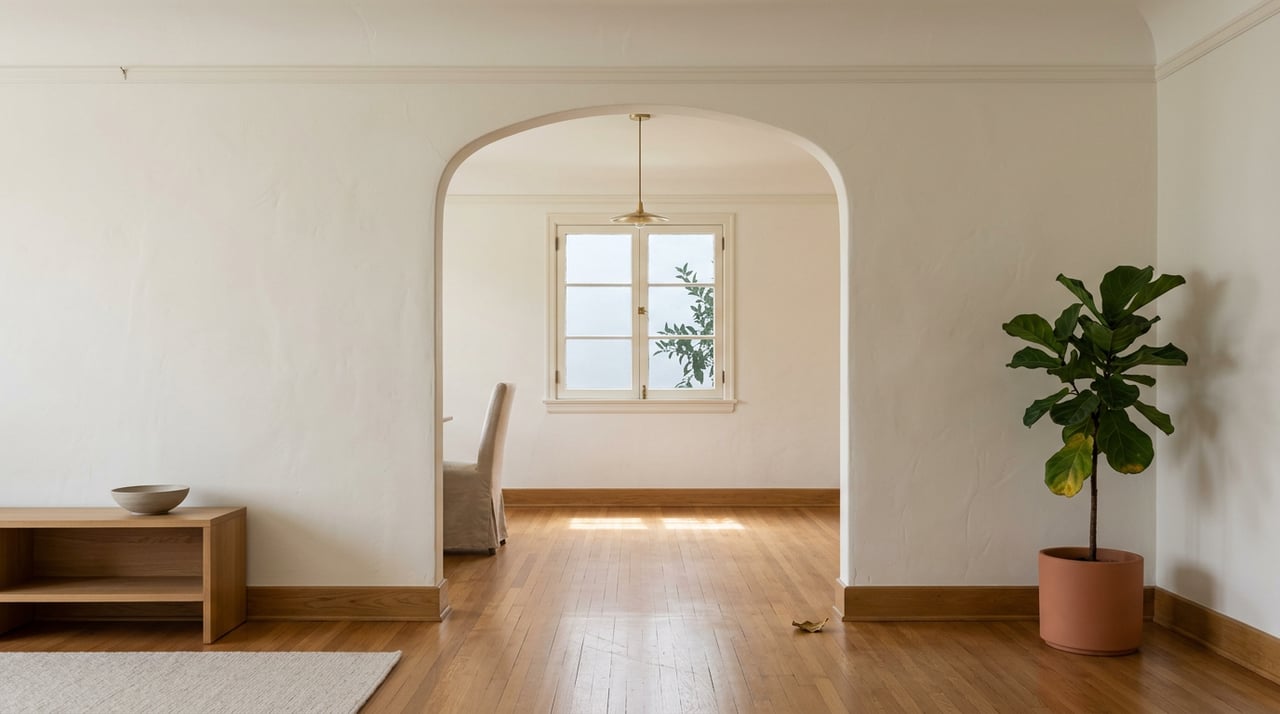
- Keep primary sightlines by enlarging original openings instead of removing entire walls. Widened archways or paired openings maintain proportions that suit Craftsman or Spanish Revival homes.
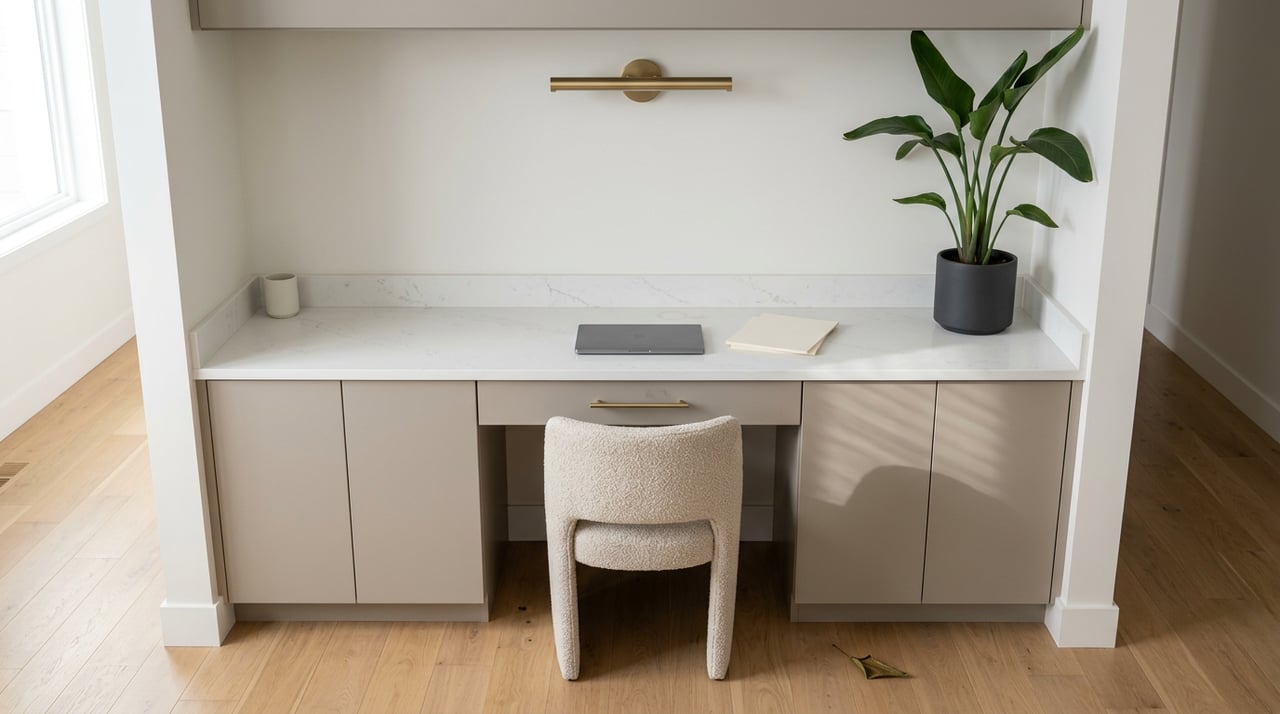
- Refinish or adapt existing millwork and built-ins rather than replacing them. When adding cabinetry, echo original profiles and proportions. Consider panel-ready fronts to integrate modern appliances.
- Plan for mechanical triggers. A new ducted hood, relocated sink, or electrical work will require permits and inspections. Check permit pathways and inspection milestones early to set budget and schedule expectations.
Bathrooms with balance
- Prioritize ventilation and moisture control with a properly ducted fan to the exterior and well-detailed waterproofing.
- Keep or thoughtfully replace period tile patterns, such as hex, penny, or classic subway, to retain a historic feel.
- Know that plumbing relocations trigger permits and can reveal hidden conditions. Include a contingency for inspection, remediation, or necessary upgrades.
Floor plans and millwork
- Structural changes that affect load paths, rooflines, or the foundation require engineering and full permits. Non-load-bearing openings are often simpler but still need careful planning.
- Photograph and catalog original millwork, hardware, and built-ins before demolition. Salvage and reuse when possible to keep the home’s visual continuity.
Windows and doors
- Whenever feasible, repair and weatherize original wood windows. Reglazing, weatherstripping, and adding interior storms often improve comfort while preserving character.
- If replacement is unavoidable, match sightlines, operation type, and muntin profiles so street-facing elevations remain consistent with the home’s era.
Exterior curb appeal
- Preserve defining features like porches, eave details, roof tiles or shingles, and trim patterns.
- Smaller projects deliver outsized impact: period-appropriate entry and garage doors, compatible paint schemes, and thoughtful landscaping all reinforce the district’s look and feel.
Budget, ROI and timelines
Remodeling benchmarks show that minor kitchen projects and curb-appeal improvements often recoup a higher share of costs than luxury gut renovations, especially in established neighborhoods. Review the San Diego regional Cost vs. Value trendlines to set expectations and prioritize scope (Cost vs. Value San Diego).
Example ranges to help you frame a budget, which you should confirm with local bids:
- Minor kitchen refresh, such as refacing, counters, and appliances: about $20,000 to $60,000, often 4 to 8 weeks.
- Major or custom kitchen with layout changes and custom cabinetry: about $70,000 to $200,000+, often 3 to 4+ months.
- Midrange bathroom: about $10,000 to $40,000, often 2 to 8 weeks.
- Permit fees and plan review can range from small amounts to several thousand dollars, with engineering, utility, and system upgrades adding cost.
Historic and older homes can hide surprises, including outdated wiring, plumbing, or structural issues. Build in a 10 to 20 percent contingency. Also factor in time for plan preparation and City plan-check if your scope touches walls, plumbing locations, electrical service, or ducted ventilation, since those items move you into plan review (San Diego DSD permits FAQ). Timing your permit submittal can also affect energy-code requirements, so coordinate with your team.
Finance your renovation
You have several ways to combine purchase or refinance with renovation funds in one loan. The FHA 203(k) program offers Limited and Standard tracks, with a HUD 203(k) consultant required for Standard projects (FHA 203(k) consumer fact sheet). Fannie Mae’s HomeStyle Renovation is a conventional alternative with different limits and underwriting. Many owners also consider cash, a HELOC, or a construction-to-perm loan. A lender who understands renovation lending can help you compare options and timelines.
Mission Hills renovation checklist
- Confirm your home’s designation or district status using City HRB files and local resources like Mission Hills Heritage. If contributing, plan for historic review.
- Order a conditions assessment that covers structure, electrical, plumbing, roof, and pests, plus lead and asbestos surveys for pre-1980 homes. Follow County and EPA rules before disturbing materials (San Diego APCD asbestos program; EPA RRP overview).
- Meet with an architect and contractor experienced in historic homes to map scope and the likely permit pathway. Review plan-review vs. no-plan eligibility and inspection milestones (San Diego DSD permits FAQ).
- Make a preservation-first plan: list features to keep, those to repair, and where modern convenience is essential. Use the Secretary’s Standards as your guide.
- Budget for contingencies, code-driven upgrades, and permit/inspection costs. Track the January 1, 2026 effective date for the next energy-code cycle so you can plan submittals strategically (Title 24 update overview).
- If tax savings are a goal, review Mills Act eligibility and application windows.
Ready to plan your next step?
If you are weighing a renovate-to-stay or renovate-to-sell decision, we can help you assess which improvements matter most for livability and resale in Mission Hills. Our team coordinates trusted vendors, pre-listing improvements, and presentation that highlights your home’s character. For a tailored plan and market perspective, reach out to Fine Properties San Diego. We are here to make your next move easier.
FAQs
Do I need approval to change exterior paint in a Mission Hills historic district?
- Exterior work in locally designated districts can trigger review for material and character changes. Interior paint usually does not. Confirm with the City before you start.
How do I check if my Mission Hills home is historic?
- Search the City’s Historic Resources Board files and district reports, and review local summaries. If your parcel is contributing or designated, plan for historic review.
When do California’s 2025 energy standards apply to my remodel?
- The effective date is tied to your permit application, not construction start. Applications submitted on or after January 1, 2026 follow the updated standards.
Are original wood windows worth saving in Mission Hills?
- Often yes. Repair and weatherization can improve comfort and efficiency while retaining character. Consider replacement only when repair is not feasible and match original profiles.
Will a kitchen remodel pay back at resale in Mission Hills?
- Regional benchmarking shows minor to midrange kitchen updates and curb-appeal projects often recoup a higher share of costs than luxury gut renovations. Use local comps to refine your plan.