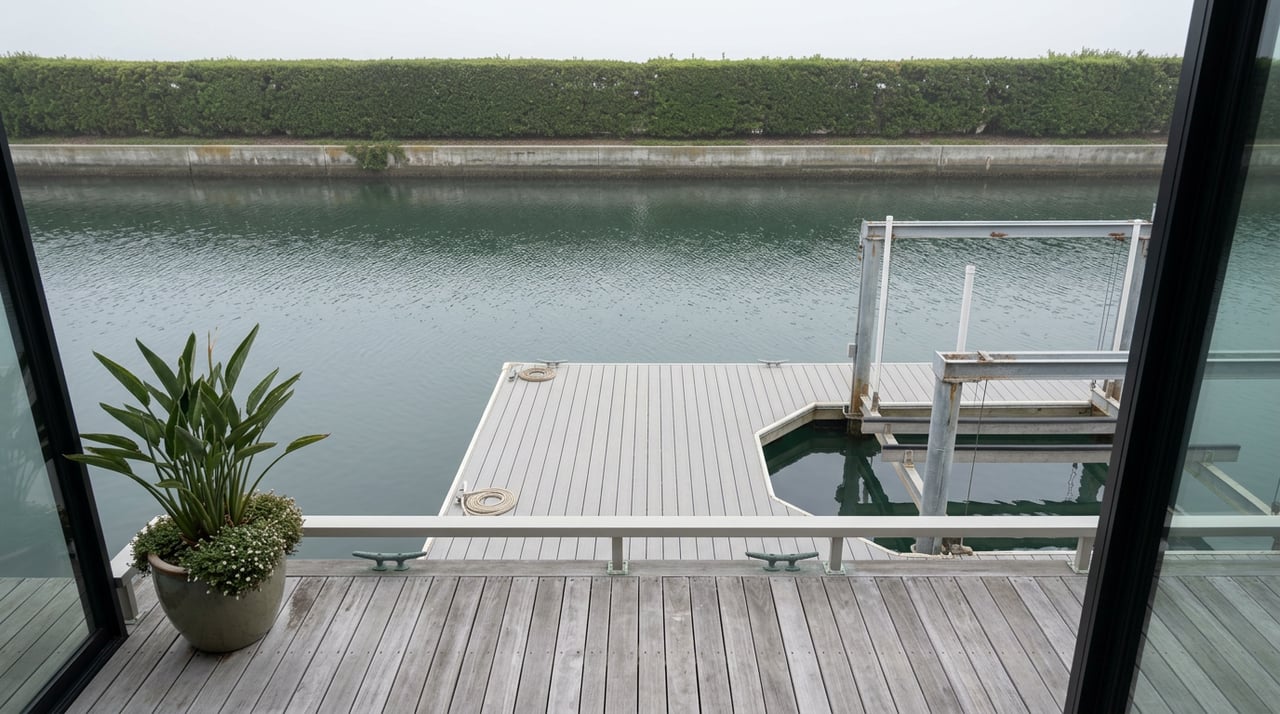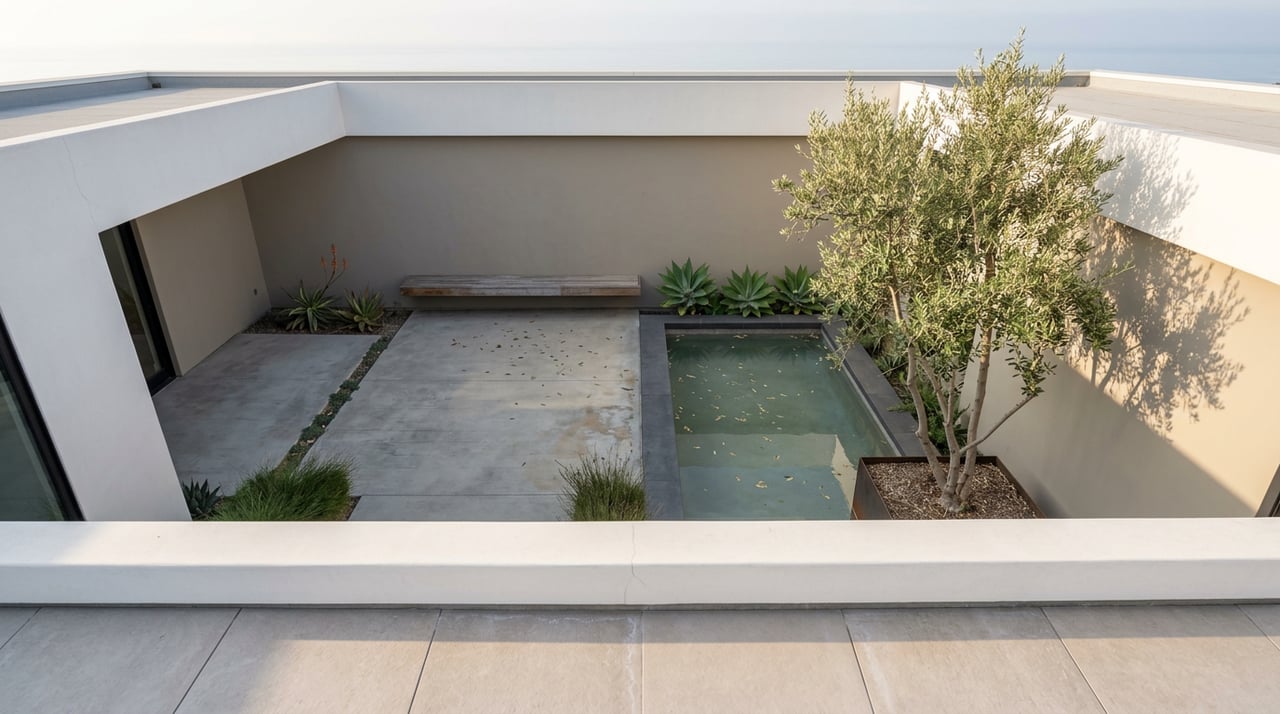
Picture two listings in Chula Vista's east side. Same asking price, same square footage, same year built, maybe even the same floor plan from the same builder a decade back. One of them costs roughly $250 more a month to own from the day escrow closes. Nothing about the price sheet tells you which one.
The difference sits on the tax bill, in four letters most buyers gloss past until it is too late to negotiate around it: CFD, short for Community Facilities District, the legal vehicle behind what everyone calls Mello-Roos. In Eastlake and Otay Ranch, the neighborhood name on the listing tells you almost nothing about which CFD a specific parcel sits in, how much it owes, or how many years are left on the bond. The label is not the price. The parcel is.
Why "Eastlake" Isn't One Tax Picture
Eastlake was built out over decades, not in one phase, and each phase financed its own infrastructure through its own district. Eastlake III's Woods, Vistas, and a parcel known as the Land Swap were bundled into a single CFD, numbered 07M, with the city authorizing collections starting in fiscal year 2002-03 across roughly 1,600 single-family residences and 416 multi-family units north and south of Otay Lakes Road. The Greens, with its golf-course frontage, and the Shores, built around the lake and greenbelt system, came out of earlier and separately structured financing. None of that history shows up in a listing photo, but it shows up on the tax bill.
Otay Ranch carries the same pattern under different names. The San Diego County Auditor and Controller's active district list for fiscal year 2025-2026 includes Otay Ranch Village 3, a Freeway Commercial 2 district, and two separate improvement areas inside the newer Millenia development, each levying its own special tax on its own footprint. A home in Millenia Improvement Area 1 and a home in Millenia Improvement Area 2 are neighbors on a map and strangers on a tax roll.
Lenders and buyers who track this closely put a number on the pattern: newer master-planned product in Chula Vista, Eastlake, and Otay Ranch commonly carries Mello-Roos in the range of $1,500 to $4,000 a year, while older, more central Chula Vista neighborhoods are far less likely to carry any active CFD at all. That range is wide enough to matter and specific enough to be worth checking parcel by parcel before it becomes a negotiating problem in escrow.
| Area | What Actually Sets Its Tax Picture Apart |
|---|---|
| Eastlake Greens | Older, golf-adjacent phase; some parcels are further along their original bond schedule than newer villages |
| Eastlake Trails / Vistas / Woods | Eastlake III product under CFD 07M, with collections dating to fiscal year 2002-03 |
| Eastlake Shores | Lake and greenbelt amenities financed under its own earlier district |
| Otay Ranch Village 3 | A distinct, more recently formed CFD separate from Otay Ranch's original phases |
| Millenia (Improvement Areas 1 and 2) | Two adjoining improvement areas, each with its own special tax obligation |
The Paperwork Gap Between A New Build And A Resale
Here is where the friction actually shows up at contract, and it is not that anyone is hiding anything. It is that state law treats a brand-new home and a resale home differently.
When a builder sells a newly subdivided lot in California, the buyer receives a Public Report, sometimes called the White Paper, required under California Government Code Section 11010. That report has to disclose all indebtedness tied to the subdivision, Mello-Roos included, before the sale closes. It is standardized, it is required, and it lands in the buyer's hands as part of the paperwork the builder is already obligated to produce.
Resale transactions don't come with that document. The special tax lien is still recorded with the County Recorder, and it still turns up on a title search and a preliminary title report, but there is no single form that hands a resale buyer the amount and remaining term the way a Public Report does for new construction. A buyer can have an accepted offer in hand before anyone puts an actual dollar figure on the CFD attached to that specific parcel. Sellers are still required to disclose Mello-Roos in writing before a sale is final, but the format and timing of that disclosure depend on the agent pulling the parcel's tax history early, not on a standardized document arriving automatically.
That gap is the reason two agents can represent the same buyer through two similar Eastlake purchases and produce two very different experiences at the closing table. One pulls the CFD number in week one. The other lets the title company surface it in week five.
What The Number Actually Does To A Monthly Payment
Run the math on that $1,500 to $4,000 annual range and it lands between roughly $125 and $333 a month. That number does not just sit quietly on a tax bill. Mortgage lenders calculate a buyer's housing expense ratio and debt-to-income ratio using every recurring housing cost on the parcel, not just principal, interest, and the base one percent property tax. Mello-Roos counts. So does HOA. A $250 monthly special tax can reduce the loan amount a buyer qualifies for by a real, calculable dollar figure, not a rounding error.
It also is not calculated the way most people expect. The base property tax under Proposition 13 is tied to assessed value. Mello-Roos is not. Each district sets its own rate and method of apportionment, typically weighted by lot size, unit type, or square footage, which means a larger single-family home in the same CFD as a smaller one will often carry a heavier special tax even at an identical assessed value.
Duration matters just as much as amount. These bonds are typically structured to repay over multiple decades. A district like CFD 07M, collecting since fiscal year 2002-03, is now well into a multi-decade schedule, which means some Eastlake parcels may be closer to their bond's payoff than others formed more recently in Otay Ranch or Millenia. The county Auditor and Controller's office is the place to get a specific payoff figure for a specific parcel, not a general range.
Where The Money Actually Goes
There is a second layer to this that rarely comes up until someone asks the obvious question: does my CFD payment build something in my neighborhood?
Not always, and reporting on the Sweetwater Union High School District's Mello-Roos financing has documented why. Money collected from Eastlake's district has, at points, been pooled with other CFDs to help fund school construction outside Eastlake itself, including roughly $18.8 million toward Olympian High School in Otay Ranch, about $14.1 million combined toward Otay Ranch and San Ysidro high schools, and roughly $10.1 million toward Rancho Del Rey Middle School. District officials have explained the logic plainly: students from one CFD's boundary often attend schools built with another CFD's bond proceeds, so pooling lets a district finance large projects without waiting for each individual district to accumulate enough on its own.
That is not a red flag. It is how the financing was designed to work from the start. But it is worth knowing before you assume your CFD payment is buying exclusively local infrastructure. It might be. It might be underwriting a school three miles away.
Before You Write The Offer
The verification itself is straightforward, and it is the kind of due diligence that should happen before an offer goes in, not after it is accepted.
- Get the parcel's Assessor's Parcel Number from the listing agent or the county assessor's site.
- Check the San Diego County Auditor and Controller's active Mello-Roos district list to see which CFD, if any, applies to that specific parcel.
- Request the current Notice of Special Tax through escrow, and for new construction, confirm the Public Report has been provided.
- Ask whether the district is bonded. Bonded CFDs sometimes allow prepayment; non-bonded ones generally do not, and the county can confirm which applies to a given parcel.
- Confirm the scheduled payoff year so the tax's remaining lifespan factors into the offer, not just its current annual amount.
The San Diego County Assessor's office maintains background on how these liens are recorded and disclosed, and it is a useful first stop for anyone comparing two listings that look identical on paper.
This is precisely the kind of parcel-level checking that gets buried under a busy summer market, where Chula Vista's citywide median sale price has sat around $800,000 through the first half of 2026 and newer product in Eastlake and Otay Ranch tends to sell above that figure. A median tells you almost nothing about what a specific address will actually cost to carry for the next thirty years. Only the parcel's own CFD history does.
FAQ
Does every home in Eastlake or Otay Ranch have Mello-Roos? No. Older, more central Chula Vista neighborhoods are far less likely to carry an active CFD, and some early Eastlake phases are further along their bond schedules than newer villages and Otay Ranch's later phases, which typically do carry active special taxes.
Can a Mello-Roos tax be paid off early? Sometimes. The county Auditor and Controller's office can confirm whether a specific district allows prepayment and calculate the payoff amount, since terms vary by district.
Does Mello-Roos affect how much home I can qualify for? Yes. Lenders include it in the debt-to-income calculation alongside the base property tax and HOA dues, so a few hundred dollars a month in special tax can reduce the loan amount a buyer qualifies for.
Whether you're comparing two Eastlake villages, evaluating a resale in Otay Ranch, or preparing to list a home in one of Chula Vista's master-planned communities, Fine Properties San Diego project-manages this kind of parcel-level verification as part of every transaction. Request a Complimentary Market Valuation to see exactly what your specific address carries, and what it's really worth once the full picture is on the table.