Torn between a condo and a townhome in Mission Hills? You are not alone. In this central, walkable San Diego neighborhood, both options can fit an urban lifestyle, but the details around ownership, HOAs, and parking matter. This guide compares what you actually own, typical fees, financing, and day-to-day living so you can choose with confidence. Let’s dive in.
Mission Hills at a glance
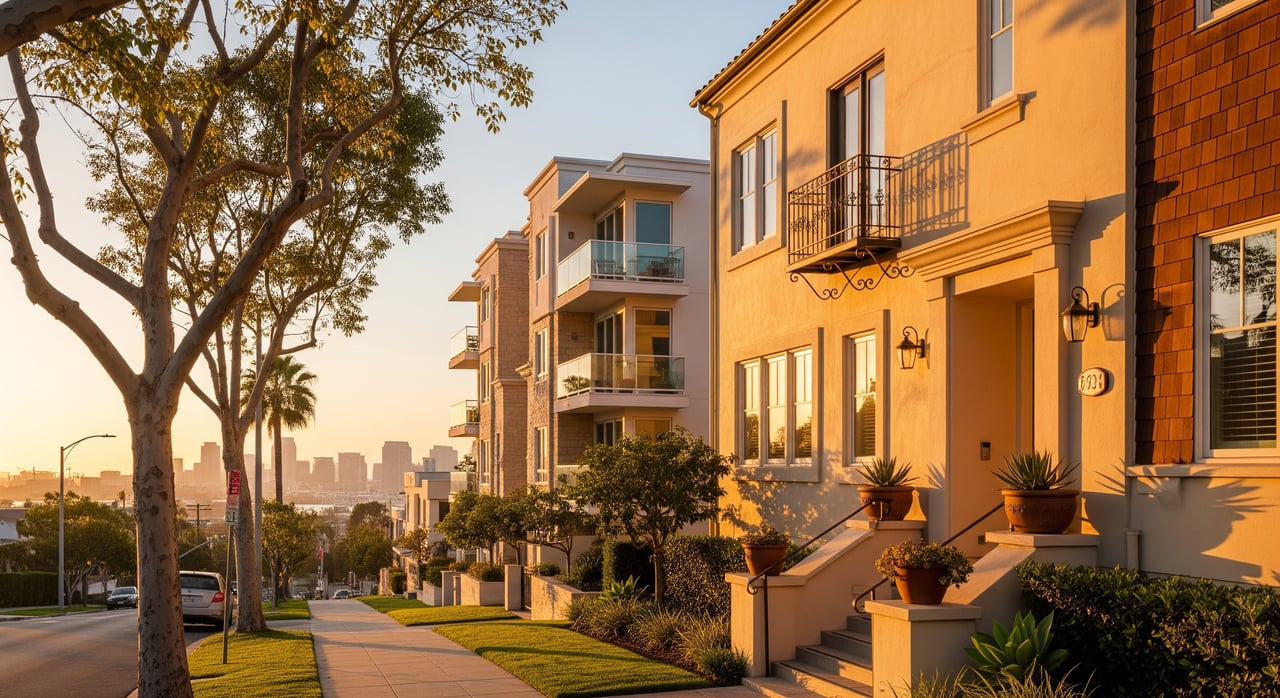
Mission Hills blends tree-lined streets, historic homes, low-rise condo buildings, and townhome clusters, all minutes from downtown and Balboa Park. You will find walkable corridors along Washington Street and Fort Stockton Drive, with cafes and services close by. Some pockets have city or bay views, and parts of the neighborhood sit within preservation areas that guide exterior changes.
Buyers often choose Mission Hills for a low-maintenance home with strong walkability, a shorter commute, and nearby parks. That demand supports both lock-and-leave condos and townhomes with private garages for easier storage and parking.
What a condo means in California
A condominium is a legal form of ownership. You own the interior of your unit, often described as the airspace, and a fractional interest in common areas like the roof, hallways, grounds, and amenities. The community is typically governed by the Davis-Stirling Common Interest Development Act, which sets rules for HOA governance, reserves, elections, disclosures, and member rights.
In practice, most condo HOAs handle exterior maintenance, common area insurance, and shared systems. Your personal responsibilities usually include interior surfaces, fixtures, and your individual systems inside the walls.
What a townhome can mean
“Townhome” describes a building style, not a single legal category. In San Diego, a townhome may be:
- A condo, where you own the interior and the HOA owns the exterior and land.
- Fee simple, where you own the land parcel, exterior walls, and roof.
- A unit in a Planned Unit Development, a form of common interest development.
Do not rely on the label alone. The CC&Rs and vesting documents tell you what you actually own. This affects who pays for exterior repairs, roof replacement, and insurance coverage.
HOA scope, fees, and documents to review
HOA dues and coverage vary by community. In Mission Hills, smaller condo buildings often include exterior maintenance, master insurance, landscaping, trash, and sometimes water and sewer. Townhome communities range widely. Some cover only shared landscaping and lighting, while others include roofing and exterior paint.
Key fee drivers include the size of the community, level of amenities, insurance costs, on-site staff, and the strength of reserves. Dues can change, and special assessments may occur if reserves are low.
Before you write an offer, request and review:
- CC&Rs, bylaws, and rules and regulations
- Current budget and recent actuals
- Most recent reserve study and reserve balance
- Board meeting minutes for the past 12 months
- Insurance declarations and master policy summary
- Pending or recent special assessments
- Any HOA litigation
- Rental policy and current rental percentage, including short-term rules
- Pet policy and architectural guidelines
Watch for red flags: low reserves compared with likely capital needs, pending litigation, frequent special assessments, high delinquency on dues, and poor transparency in meeting minutes.
Insurance and maintenance responsibilities
Your coverage depends on what you own and the master policy structure.
- Condos typically require an HO-6 policy that covers interior finishes, personal property, loss of use, and loss assessment coverage. The master policy usually covers common elements and often the exterior.
- Fee-simple townhomes often need a broader dwelling policy that insures the structure and exterior, plus personal property.
- Master policies can be “all-in” (walls-in) or “bare-walls.” A bare-walls policy shifts more responsibility to owners for interior and sometimes exterior finishes. Verify the master policy and CC&Rs before binding your policy.
- Earthquake and flood insurance are not part of standard master policies. In San Diego, earthquake coverage is a worthwhile conversation, particularly for older or masonry buildings.
Older Mission Hills properties may need periodic termite treatments, exterior wood repair, and roofing work. Who pays depends on the legal form and HOA documents.
Financing checkpoints that affect your purchase
Financing rules differ between condos and fee-simple townhomes.
- Condos must meet project eligibility standards for many lenders, including Fannie Mae and Freddie Mac. Some older or smaller condo projects may not be approved for FHA or VA loans, which can limit options for buyers using those programs.
- Fee-simple townhomes are often treated like single-family homes by lenders. If a townhome is legally a condo, it will face the same project approval requirements as a condo.
- Lender red flags include high investor concentration, pending HOA litigation, small project size, and a high percentage of owners delinquent on dues. These issues can affect your loan terms and future resale.
Lifestyle tradeoffs in Mission Hills
Space and layout: Condos often deliver single-level living and efficient floor plans near the commercial core. Townhomes tend to offer more square footage over multiple levels, with layouts that feel closer to a single-family home.
Privacy and noise: Condos share corridors and elevators, which can raise noise and traffic. Townhomes have private entries and fewer shared interior spaces. Shared walls still transmit sound, so construction quality matters in both cases.
Outdoor space: Many condos provide a balcony or small patio and access to community courtyards. Townhomes more often include private patios or small yards for personal outdoor living.
Amenities: Condos are more likely to offer pools, fitness rooms, and other services. Townhome communities usually have fewer amenities, balancing that with more private space and storage.
Parking, storage, and walkability
Mission Hills has a residential permit parking program and active street use, so guaranteed off-street parking is valuable. Townhomes frequently include private garages for parking and storage. Many condos rely on assigned spaces in a garage and will have clear guest parking rules.
Both condos and townhomes can be highly walkable. Condos closer to the commercial corridors may be steps from dining and services. Townhome clusters on quieter residential blocks may trade a few more minutes of walking for more privacy and garage space.
Historic overlays and exterior changes
Parts of Mission Hills fall under historic preservation and local design guidelines. If you own exterior walls and land, as with many fee-simple townhomes, you will need to follow city rules for exterior changes, repairs, and additions. Condo owners, whose HOAs control exteriors, rely on the HOA to manage compliant work. Either way, factor permitting and timelines into your plans if you anticipate remodels that affect exteriors.
Rentals, pets, and use flexibility
HOA rules can cap rentals and set pet restrictions. City rules also regulate short-term rentals. If you plan to rent your home, or want the option to do so later, confirm the HOA’s rental caps, minimum lease terms, and the city’s short-term rental requirements. These rules influence future resale and the buyer pool for your home.
Compare total monthly cost
To get a true comparison between a condo and a townhome, build a complete monthly budget:
- Mortgage principal and interest
- HOA dues and any recent increases
- Owner insurance, plus potential earthquake coverage
- Utilities not covered by the HOA
- Parking or permit fees
- A reserve for future HOA special assessments or exterior maintenance, based on the reserve study and building age
Quick decision checklist
- Confirm the legal form of ownership: condo, fee-simple, or PUD.
- Map the ownership line: interior only, or exterior and roof as well.
- Review CC&Rs, bylaws, rules, the current budget, and the latest reserve study.
- Ask about HOA reserves, planned projects, and any special assessments.
- Request the last 12 months of board meeting minutes and any litigation details.
- Verify the master insurance type, HOA deductible, and your required policy (HO-6 or dwelling). Consider loss assessment coverage.
- Check rental caps, short-term rules, and pet policies.
- Confirm parking assignments, guest parking, storage, and any permit requirements.
- Ask about FHA/VA approval if you plan to use those programs.
- Walk the area at different times to gauge noise, traffic, and on-street parking.
How we help you choose with confidence
You deserve clarity before you commit. Our team understands how building age, reserves, insurance structure, and project approvals shape both your monthly costs and your resale future. We help you:
- Read CC&Rs, budgets, and reserve studies for practical takeaways.
- Coordinate with lenders who understand condo and townhome financing.
- Compare master insurance coverage so you select the right personal policy.
- Weigh lifestyle tradeoffs, from walkability to garage storage and views.
- Spot red flags early and negotiate from a position of strength.
If you want a local, concierge-level approach to Mission Hills homes, connect with Fine Properties San Diego. We will help you identify the right fit, from streamlined condos near the action to fee-simple townhomes with private garages.
FAQs
What is the main difference between a condo and a townhome in California?
- A condo is a legal form where you own the interior airspace plus a share of common areas, while a townhome is a building style that can be legally a condo, fee simple, or part of a PUD.
How do HOA dues typically differ for Mission Hills condos vs townhomes?
- Condo dues often cover exterior maintenance, master insurance, landscaping, and some utilities; townhome dues vary widely and may cover only common areas, so verify the CC&Rs.
What insurance do I need for a Mission Hills condo or townhome?
- Most condo owners need an HO-6 policy plus awareness of the master policy; many fee-simple townhome owners need a dwelling policy that covers the structure and exterior.
Can I use FHA or VA financing for a Mission Hills condo?
- Yes, if the condo project meets FHA or VA approval standards; unapproved projects may limit those financing options, which can also affect resale.
How does Mission Hills’ historic character affect ownership?
- Historic overlays and local design guidelines can limit exterior changes, which is especially relevant if you own exterior walls and land in a fee-simple townhome.