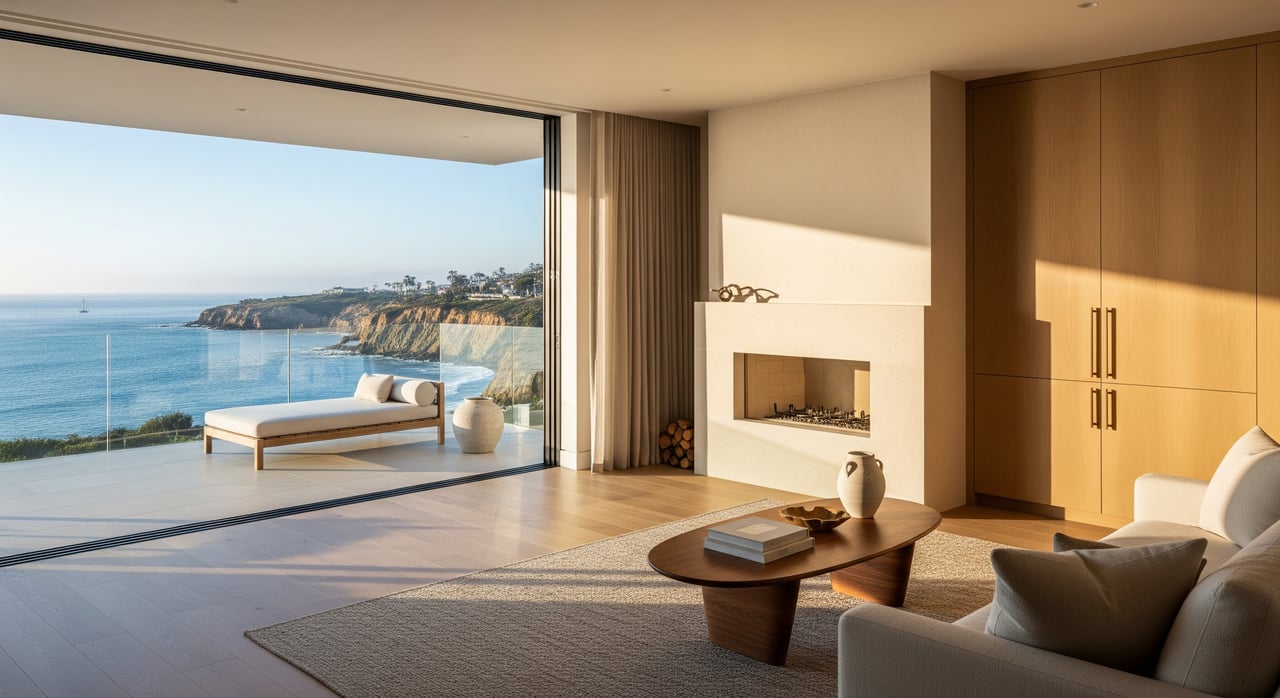
Love the idea of winding down with a La Jolla sunset from your balcony? You are not alone. Ocean-view condos here offer color-soaked skies, sea breezes, and a lock-and-leave lifestyle. But coastal living also comes with unique factors you should understand before you buy. In this guide, you will learn how view orientation, microclimate, bluff stability, HOA rules, insurance, and due diligence shape both the experience and the value of a La Jolla ocean-view condo. Let’s dive in.
Understand La Jolla ocean views
La Jolla’s shoreline curves and shifts from sandy beaches to rocky bluffs. That curve means two “ocean-view” condos may face very different directions and see different parts of the coast. A west or southwest outlook often frames daily sunsets. A northwest view can pick up long coastline vistas toward Pacific Beach and beyond. Some bluff-top units even face east and lean into morning light with inland ridgelines.
Microclimates are another key factor. Near the water, you can get a morning marine layer, often called “June Gloom,” plus cooler days and afternoon breezes. A building a bit inland or higher on the hill may be sunnier and warmer. The takeaway is simple: the same view can look and feel very different depending on orientation, elevation, and time of day.
Orientation and light by unit
The direction your windows face will shape your daily experience.
- West or southwest: Golden-hour light, dramatic sunsets, and stronger late-day solar exposure.
- Northwest: Long coastline vistas and softer afternoon light.
- South: Warmth and steady afternoon sun with less direct glare at sunset.
- East: Gentle morning light and inland views rather than open ocean.
Because the shoreline bends, neighboring buildings at different setbacks can block or reveal parts of the coast as you change floors or step onto a balcony. Always test the view from the exact unit and balcony, and do it at more than one time of day.
Tour smarter with microclimate
You want to understand how the weather will shape your life at home. Plan two tours if you can.
- Morning: Check for fog or marine layer and how it affects visibility and natural light.
- Afternoon: Note wind on balconies, glare as the sun lowers, and indoor temperature.
- Evening: Evaluate sunset angles, reflections off the water, and the quality of light inside.
Ask the seller or HOA about typical wind conditions and any rules that affect balcony use, like grill policies or furniture tie-down guidance.
Coastal hazards to evaluate
Many La Jolla view buildings sit on or above coastal bluffs. Bluffs can erode, slump, or be undercut by storms. You should request any geotechnical reports, historic erosion information, and records of maintenance or drainage work. If shoreline protection exists, confirm permitting history and any obligations for future repairs.
Regulatory context matters. Coastal development is regulated, and hard shoreline protection is limited in California. Setbacks, permits, and environmental review can affect both buildings and future changes. If the unit is bluff-adjacent, a geotechnical consultation is a smart step.
Wind, sun, and comfort at home
Coastal bluffs catch onshore winds. This is great for natural cooling in summer, but it can create drafts, wind-driven rain, and more wear on sliding doors and screens. Ask about wind comfort on balconies and whether there have been wind-related maintenance claims.
Glare can be strongest when the sun is low. West-facing units see more intense late-day reflections off the water. You can tame it with the right glazing and shades. Low-E or tinted windows, exterior shading, and motorized blinds help manage heat gain and reflections. If you are considering glass railings, check the HOA rules since some assemblies can increase reflected glare.
Salt air and durability
Salt air speeds up corrosion on metal components. Railings, fasteners, window hardware, exterior flashing, and HVAC condensers are common hotspots. During inspections, look closely at railing anchorage, seals around windows and doors, and any signs of rust or finish failure. Maintenance records that show regular corrosion control and repaint cycles are a positive sign. Expect a more frequent upkeep rhythm than an inland condo.
Flood and seismic awareness
Lower-level or beachside condos may fall within a Special Flood Hazard Area. Lenders can require flood insurance in those zones. It is smart to check flood maps and local tsunami evacuation information as part of your due diligence. All San Diego properties face earthquake risk. If the building is near a slope or bluff, ask for structural reports and any stabilization work that has been completed.
HOA rules that affect your unit
Most La Jolla ocean-view condos are part of an HOA that governs windows, balconies, and exterior changes. The CC&Rs, bylaws, and rules outline what owners can modify and what needs approval. Expect Architectural Review Committee oversight for window replacements, balcony changes, railings, or any exterior glazing updates.
Typical limits include:
- Balcony enclosures: Often restricted to protect uniform appearance and neighbor views.
- Glass railings: Common in coastal buildings, but usually require a specific design and permit.
- Window replacements: Usually must match approved frame color and glazing type.
- Satellite dishes: Allowed within federal rules, but HOAs can set reasonable placement standards.
Before you make plans to remodel, confirm what is possible, how long approvals take, and who pays for what. Also verify whether windows and balconies are exclusive use common areas or an owner responsibility, and how the master insurance policy treats them.
Insurance and lending basics
Coastal exposure influences both insurance and financing. HOAs carry a master policy, but the coverage scope varies. Some policies are all-in, others are walls-out. Flood insurance is a separate policy and may be required by your lender if the building is in a mapped flood zone. Wind-driven rain and corrosion can also affect coverage and deductibles.
Get quotes early so there are no surprises. Ask the HOA for its insurance declarations and any recent renewals. A lender familiar with coastal condos can streamline appraisals and underwriting and help you understand any added requirements for oceanfront properties.
Your due diligence checklist
Gather documents and line up inspections before you remove contingencies. Use this as a starting point.
- Governing documents: CC&Rs, bylaws, house rules, and recent amendments.
- HOA records: 12 to 24 months of meeting minutes, operating budget, reserve study, and special assessment history.
- Insurance: HOA master policy declarations and deductible schedule. Confirm covered perils and what you must insure.
- Disclosures: Natural Hazard Disclosure, including flood, landslide, seismic, and coastal hazards.
- Geotechnical and structural: Any bluff stability studies and records of shoreline or drainage work.
- Permits: Building permit history for windows, balconies, and railings. Ask about any coastal permits.
Inspections and technical checks:
- Home inspection focused on balcony anchorage, railing condition, sliding doors, seals, corrosion, roofing, flashing, and drainage away from bluff edges.
- Geotechnical review if the building is bluff-adjacent or in an erosion-prone location.
- Flood and tsunami zone review. Consider an elevation certificate if needed for insurance.
HOA policies to confirm:
- Rental and pet rules if relevant to your plans.
- Reserve adequacy and any planned capital projects that could trigger assessments.
- How the HOA enforces uniform exterior standards that could limit your glazing choices.
Red flags:
- Repeated water intrusion claims or unfinished geotechnical recommendations.
- Deteriorating reserves, ongoing special assessments, or contentious minutes about structural issues.
- Language that shifts exterior maintenance to owners when the envelope is clearly common.
Smart offer strategy for view units
Premium view units can attract strong interest. To compete, tighten your timeline while protecting your interests. Pre-verify lending with a coastal-experienced lender, collect insurance quotes, and review HOA documents early if possible. If you plan to update windows or railings, include feasibility questions in your offer period so you are not surprised by ARC or permit constraints.
Price vary by orientation, floor height, and building condition. Two units with similar square footage can sell very differently based on view corridor, wind exposure, and HOA posture on balcony and window updates. Your goal is to value the view and the building’s long-term livability, not just the immediate wow factor.
Partner with a local condo team
An ocean-view condo in La Jolla should feel effortless. The key is a clear process and the right advocates. We help you compare orientation options, time your tours around microclimate, and evaluate glare, wind, and balcony comfort. We coordinate inspectors and, when needed, connect you with geotechnical and insurance professionals. Our team also reviews HOA documents with you, so you know what you can and cannot change before you commit.
Ready to explore the best ocean-view condos in La Jolla with a hands-on guide who knows the buildings and the rules that shape them? Connect with the concierge team at Fine Properties San Diego to map a plan and move with confidence.
FAQs
Are La Jolla ocean views guaranteed over time?
- Views are rarely guaranteed. Confirm sightlines with on-site visits, ask the HOA about height limits and pending projects, and understand that rules and neighboring development can change over time.
What permits might I need for balcony or window changes?
- Most exterior changes require HOA Architectural Review approval and city building permits. Near bluffs or within the coastal zone, you may also need coastal approvals.
How do marine layer and wind affect daily living?
- Mornings can be foggy near the water and afternoons breezy, which affects light, comfort, and glare. Tour at different times of day to see how conditions change in your unit.
What extra maintenance comes with a coastal condo?
- Expect more frequent upkeep on metal railings, hardware, and seals due to salt air. Look for maintenance records that show regular corrosion control and repainting cycles.
Is flood or earthquake insurance required for these condos?
- Flood insurance can be required by lenders if the building is in a mapped flood zone. Earthquake coverage is optional in most cases, but all San Diego properties face seismic risk, so you should discuss coverage with your insurer.
Can I use the condo for short-term rentals?
- Short-term rentals are regulated by the city and may be restricted or banned by the HOA. Verify both sets of rules before assuming a unit can be rented short term.